|
|
||||||||||||||||||||||||||||||||||||||||||||||||||||||||||||||||||||||||||||||||||||||||||||||||||||||||||||||||||||||||||||||||||||||||||||||||||||||||||||||||||||||||||||||||||||||||||||||||||||||||||||||||||||||||||||||||||||||||||||||||||||||||||||||||||||||||||||||||||||||
 |
|
||||||||||||||||||||||||||||||||||||||||||||||||||||||||||||||||||||||||||||||||||||||||||||||||||||||||||||||||||||||||||||||||||||||||||||||||||||||||||||||||||||||||||||||||||||||||||||||||||||||||||||||||||||||||||||||||||||||||||||||||||||||||||||||||||||||||||||||||||||||
|
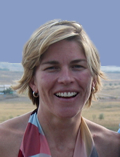
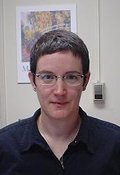
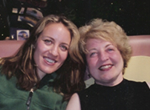
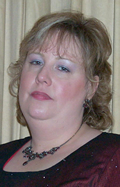
Terese Tatum, our featured volunteer, is an HVA Member whose personal family experience led her to hospice. Her hospice experience has redirected her career from being an MBA in the business world to becoming a nurse practitioner in palliative and end-of-life care. Terese's heartfelt responses to our interview questions provide an excellent example of how being a hospice volunteer can dramatically impact your life's direction.
When did you start as a hospice volunteer? Almost 5 years ago, I was actively looking for a way to serve the community when I stumbled across a web site describing the work of the Zen Hospice Project. At the time it was strange to end up on such a website because I had always felt fear and discomfort around illness and in particular, towards persons who were sick and dying. But something was drawing me to this website and to the organization. Instead of shying away, I felt a strong pull toward this work and before I knew it, I was filling out an application to train as a Zen Hospice Volunteer. Filling out that application changed my life and from that day forward, I have worked as a hospice volunteer serving many men, women and children who have died or are facing the end of life and I absolutely love hospice work.
How many years have you been a hospice volunteer and what organizations have you volunteered with? I have served as a volunteer for over 4 years, initially with the Zen Hospice Project and most recently with the George Mark Children?s House.
What made you decide to become a hospice volunteer? There were several events in my life that eventually led me down the path towards hospice work. The original seed of hospice work was planted about ten years ago with the death of my grandfather. We were very close and he died of cancer in our home with all of our family gathered around. It was a very difficult time for our family, but the experience was also one of the most profound and beautiful events in my life.
Tips from Hospice Volunteer Managers
Compassion and Wisdom:
Volunteers as Spiritual Caregivers
by Rev. Diane Johnson-VanParijs
Volunteer Coordinator/Hospice Chaplain, Denali Home Health and Hospice, Anchorage, Alaska Karuna, a Sanskrit word that is translated as ?compassion?, is a key concept of Buddhism. It is showing special kindness to those who suffer. It is considered the indispensable complement to enlightened wisdom, Prajna. My definition of spiritual care giving could not exist without the practice of Karuna and Prajna (Compassion and Wisdom) being a fundamental element in each aspect of my role as Hospice Volunteer Coordinator and Chaplain.
Many years ago I began as a volunteer working with AIDS patients. I often saw the prejudice and stigma associated with this disease drive away the much needed spiritual aspects of a patient?s life. Volunteers became spiritual caregivers; nurturing the spirit of each patient with their hearts full of compassion. In my role as Volunteer Coordinator I strive to convey the need that each patient has: to be nurtured and cared for spiritually, emotionally and physically.
I ask our hospice volunteers to look at each individual that they come in contact with as a teacher. Even ?difficult? patients and situations provide life lessons to be learned. Volunteers can ask themselves, ?what can I learn from this??, ?how can I help in some way to ease the hurt?? and most importantly, ?am I causing harm by my actions??
As spiritual caregivers, we can not create deep spiritual meaning for someone else. We can only be a guide, a friend along the spiritual path that can point out choices and directions. Often the patients themselves provide the ?spiritual map?, but in the midst of pain and suffering have forgotten how to read it.
?Deep listening?, a practice in itself, is a tool that we must continue to sharpen and become skillful in using. Deep listening leads to insight and wisdom. In gaining wisdom and understanding of the cause for human suffering, compassion will lead the heart and mind to embark on a side by side journey; bringing hospice volunteers and their patients into a supportive and meaningful relationship.
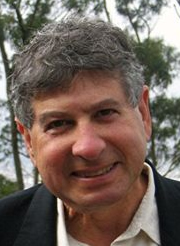
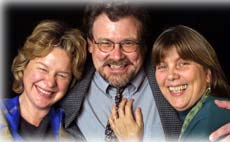
Rev. Diane Johnson-VanParijs is an HVA Member who was ordained in Kyoto, Japan at the Jodo Shinshu Hongwanji-ha Temple in October of 2003. She and her husband are the resident priests for Myokoin Buddhist Temple in Anchorage, Alaska. They have 3 children, 1 grand child, 2 dogs, 3 birds and a blue tongued skink named ?Rex?. Diane has worked in healthcare for the past 20 years, primarily in the area of HIV/AIDS and Hospice. She and her husband will be traveling to Dusseldorf, Germany in August to present a paper on her Hospice Chaplaincy work at the European Shin Buddhist Conference. NOTE TO VOLUNTEER COORDINATORS AND MANAGERS: If you manage hospice volunteers and would like to submit an article to be considered for the VC's Perspective column of a future issue of Hospice Volunteer News, send an e-mail to HVA.
A few years later, my sister was diagnosed with brain cancer.
When I heard the news about my sister, I left my job and apartment in San Francisco and moved down to Southern California to help take care of her and her two children while she went through treatment. This was the first time I was really introduced to the difficulties and challenges that a person and their family must face when going through treatment for a life-threatening illness. It?s not just the physical challenges of having your body fight an illness, but the chaos of the process itself -- the bottles and bottles of medications, the unanticipated side effects, the hectic schedule of doctor visits, the objectifying of the body and the disease, the confusion of differing opinions, and the overwhelming number of alternative therapy options.
Being deeply immersed in this chaos and confusion there was little time to really sit down, take a few deep breaths, and emotionally take in all that we, as a family, were experiencing. Fortunately, my sister's treatments were successful and today she is still in remission and doing well. However, the spiritual and emotional challenges of this illness are still very much present in the everyday lives of our family.
One of the most difficult aspects of all of this was that my family would not, and could not, accept or even acknowledge that at some point, my sister might actually die. Death was an uncomfortable topic for our family to discuss and it was lonely to feel like the only one who was willing to talk about it. This is what drew me to hospice volunteer work. Not only would it provide a space to explore my own feelings and fears around death and dying, but it would allow me to serve others and bear witness to their experience.
Another motivation for volunteering with hospice is that I believe the process of dying is so shamefully ignored and hidden in our society. Death is something that we have been taught to be so afraid of and so much effort is put into avoiding it, ignoring it, or turning a blind eye. But impending death can be such a potent and beautiful time of life for all involved. It can be a time of bringing family and friends together for healing that would have been difficult to accomplish otherwise. And if I can help make someone's transition even the slightest bit more comfortable and let them know that their life is important and acknowledged and that they are loved, then that's reason enough for me to be a hospice volunteer.
What are some of the ways you have served others as a hospice volunteer? The wonderful thing about hospice work is just how diverse the act of serving is from one day to the next. The key for me is to try and be open to whatever it is that someone may need at any given point in time. This may be cooking someone?s favorite beef stew, playing with a sibling so that a parent can spend time alone with their ill child, setting up a warm bath, or holding a child?s hand while you walk together outside in the garden. For me, being a volunteer means meeting someone where they are and attuning to what is needed at that moment.
Did you have any fears when you first started? I had many fears when I first started hospice work. Mostly, I was afraid of being inadequate. I was afraid of not saying or doing the right thing to a person who is facing the end of life. I remember wanting someone to identify for me a list of scenarios so that I could be prepared to encounter and have the ?right thing? to say at any given moment. But there is no ?right? or ?wrong? way to care for someone. Service is about being true to myself, having good intentions, and speaking and acting from my heart.
Has your perspective on the fears and challenges that face you as a hospice volunteer changed over the years? The fears haven?t necessarily gone away; it is my reaction to my fears that has changed greatly. I am much more forgiving of myself and more comfortable with my fears. I tend to acknowledge my fears and then keep doing what I?m doing and serving the best that I can.
What has been the most challenging aspect of being a hospice volunteer? The most challenging thing about being a hospice volunteer is learning how to respond to family members and friends who are uncomfortable hearing about the work that I do. There are so many people in this world who are afraid to talk about death, acknowledge it, or even hear about it. People will say to me, ?that work must be so sad and depressing?. And yes, it can be incredibly sad. But it can also be a beautiful and poignant time in people?s lives. There is a deep appreciation for every minute and every day that someone is alive. Sometimes, the dying seem more alive than the living.
How has your experience as a volunteer helped you in caring for family or friends? Working as a volunteer has helped me to be more present and alive for my family and friends. To watch someone die reminds me of how short life can be and how easy it is to take life for granted. It has added a sense of gratitude and honesty to my relationships with friends and family. I don?t assume they will always be around and that changes the way I care for and nurture my relationships.
What type of training did you receive as a new volunteer? As a new volunteer, I received training from both hospices. The trainings offered by the two organizations were very different. In both organizations I desired to serve as a caregiver at the bedside. At Zen Hospice we received about 40 hours of training over a 2-week period. The training focused on practical and spiritual care of the dying and emphasized being present and bringing one?s ?whole self? to the bedside. At George Mark the training typically occurred over a two-day period covering a variety of topics including child development issues, spiritual care, and other topics with a focus on pediatric end-of-life care.
Have you continued to partake in continuing education relating to hospice? If so, what types of ongoing training are you receiving through your hospice or from other sources? My passion for hospice work has recently led me to pursue a career in nursing and palliative care. I am now working towards a degree as a nurse practitioner and continue to stay actively involved in the hospice community as I continue to take courses in end-of-life care and palliative care.
What would you like to see HVA bring to the hospice volunteer community? There are many ways that HVA can help the hospice volunteer community. First, it would be great to see HVA act as a center for information and resource for volunteers interested in organizing on a local basis. I know many volunteers who seek out ongoing support groups to share their experiences. HVA could play an important role in serving as a resource for local organizations. Second, it would be great to see HVA embark on research topics associated with hospice volunteer work. While volunteers serve as a powerful force in hospice care, there is very little information out there documenting just how large of an impact volunteerism has on the ?economics? and quality of care in hospice organizations. I think this would be a great area to focus on for HVA.
If you could change anything about your own hospice experience, what would that be? While it is difficult to come up with things I would change, there are aspects of my volunteer experience that I wish I could become more actively involved in. For instance, I would love to find more time to spend working additional volunteer shifts, participating in policymaking, and making contributions to the volunteer community at large. Being a volunteer while also working full time can be difficult. My spirit would like to be spending more time volunteering, but the reality of earning a living gets in the way sometimes. If I could change that, I would.
To conclude, do you have any personal thoughts you would like to share with other volunteers regarding your experiences as a volunteer or perspectives on hospice? The hospice experience has changed me in so many ways that it is difficult to list them without sounding trite. It serves as a frequent reminder that death is a constant companion to life. It reminds me that dying is not as easy as simply ?giving up? and that each person dies in their own way and their own time. It refreshes and renews my reverence for life and friends and family and loved ones. Finally, it teaches me a lot about myself ? that it is OK to not be perfect, to have fears, and to not always know the ?right? thing to do in every moment.
Several months ago, I arrived at the children?s hospice for my shift. It was quite busy at the house so a nurse asked if I wouldn?t mind spending some time holding a little 10-month old baby girl. This sweet little girl had taken a turn for the worse: her breathing had changed and she appeared to be approaching her final hours of life. Her mother, who was working to support her other two children, was on her way but it was going to take her a couple of hours to get there. Fortunately for me, as a volunteer, I was given the honor of holding and comforting this little one until her mother could get there. For two hours, I held her in my arms, singing lullabies, keeping her warm, and watching as she struggled to take each breath. I practiced breathing with her. My eyes, my heart, and my breathing joined with hers while her spirit held on for her mother?s imminent arrival. At around 7pm, her mother finally arrived. I kissed the little one goodbye and lightly placed her into her mother?s arms. Less than an hour later, she died. I?ll never forget that evening nor will I forget the little baby girl that touched my heart so briefly, yet so deeply.
Terese Tatum, an MBA graduate of UC Berkeley, is an HVA Member who is presently studying to be a nurse practitioner in the Master's Entry Program in Nursing at the University of California at San Francisco Medical Center. She plans to focus her new career in nursing on hospice and palliative care. Over the past 4 years she has served as a volunteer at Zen Hospice and the George Mark Children's House. NOTE TO VOLUNTEERS: If you are a hospice volunteer or have acted as the primary caregiver for a family member or friend and would like to be considered for an interview for a future issue of Hospice Volunteer News, send an e-mail to HVA. An Interview with the Family of John Boschen
Santa Rosa, CA
It is not often that volunteers get to hear a family's assessment of their experience with hospice. It is our intention to allow families to share their experiences with you and also to allow them to express their thoughts of appreciation and loving gratitude for you through this column. Ed.
What were the circumstances upon which you sought the services of hospice? My husband, John Boschen, suffered a stroke on January 28, 2002. He could no longer swallow easily, his left leg was lifeless, his left arm random and dangerous in its movements, and half the vision in each eye was gone. His mind was remarkably intact. When he could not respond to therapy, we brought him home to a hospital bed in our living room. In March 2003 he was hospitalized and believed he was dying. He survived several episodes of infection, but finally decided his helplessness with no prospect of improvement had so eroded the quality of his life, he wanted to die. At that point we contacted Memorial Hospice. He died October 8, 2003 at 1:58 a.m.
How long did hospice serve John and what services were provided? About 5 months. All available hospice services were offered to us but we chose only to use the services of a hospice nurse, a home health aid and a spiritual advisor, as those were all we felt we needed.
What was most notable about the service hospice provided to John and the family?
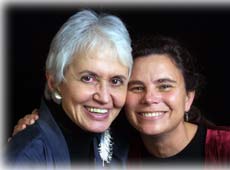
John's wife SHARON responds:
Was there any aspect of the care that you were dissatisfied with? Any concerns we had were promptly addressed. We experienced nothing but satisfaction and support.
Did you use the services of any hospice volunteers? If so, how were they able to assist you? We had regular visits, calls and other great support from family, friends and church members so that we did not need to use a volunteer.
"Who" helped the family the most before John died? John's wife Sharon responds:
"What" helped you the most before John died?
John's wife SHARON responds:
"What" helped you the least before John died?
Did the same hospice provide bereavement services to your family after the death of John?
"Who" helped you the most after John died?
John's wife SHARON responds:
"What" helped you the least after John died?
What was the most challenging aspect of this experience for you?
What was the most profound aspect of this experience for you?
What do you think was the most challenging aspect of this experience for your children?
How has this experience affected you and your family members?
If you could change anything about the overall hospice experience, what would that be?
To conclude, do you have any personal thoughts or suggestions you would like to convey to other families that are just preparing to begin their journey with hospice? SHARON: Death leaves you no time for game-playing or 2nd-guessing. Be sure to ask Hospice staff for whatever you need. It is safe to be angry, upset, weepy, giddy or whatever you feel, so don't worry about it.
Death leaves you no time to mess around with things you need to say to each other, so go for it! There is no right or wrong way to do this. My stepson (30-years after his Mother's death) was still hurting over his experience then. We all agreed to give each other permission to do what seemed right to us at any time. He could attend his Father's graveside service, but not the memorial service. We all respected how unique we are in the way each of us grieves.
There are no shoulds in this process, no rigid guidelines...just daily figuring it out by trusting your instincts. Trust the help available to you, take care of yourself, and know that even though your loved one physically will leave you, he or she is part of you for the rest of your life. I wish you love in all you experience!
The "How To" of Hospice Volunteering
About this column...
In every issue of HV News Stan Goldberg discusses a topic relating to hospice volunteering. If you would like him to cover a specific topic of interest to you relating to being a hospice volunteer or have specific comments or questions you would like him to address, please send them directly to him at stan.goldberg@healproject.org. The Power of Ritual
by Stan Goldberg Some people dismiss rituals as just the historical trappings of ancient religions. Something very beautiful, but having little relevance to our contemporary lives. Why then were billions of non-Catholics fixated to their televisions as they watched the elaborate ceremonies surrounding the pre-burial and burial rituals of Pope John Paul II? Is there something so universal about ritual, it crosses all religious and non-religious lines? Ritual is History
Robert Penn Warren said that history cannot give us a program for the future, but it can give us a fuller understanding of ourselves, and of our common humanity. Ritual links us with our personal history, whether it is in the form of something religious or just a simple event in our past.
A number of years ago, I went back to the small eastern Pennsylvania town I lived in until I was fifteen years old. On Main Street I found the Roxie Theater, the place I spent every Saturday afternoon. It was morning and although the theater wasn?t opened to the public, the front door was unlocked. I walked in and asked the manager if he would allow me to wander through it; to relive some of the most joyous moments I had as a child. I walked past the refreshment stand and remembered ordering a box of popcorn?extra butter, please. Then, I went through the entry door on the right, walked down the aisle, and found my favorite seat on the end of the10th row. As I settled in, I was again seven years old and childhood images flooded my mind: Abbot and Costello, Hopalong Cassidy, Buck Rogers, and every one of the Our Gang kids. The only thing missing was scattered Ju-Ju Bees that held my Keds firmly to the floor. It was a ritual I was performing, as sacred as any associated with a religion, pulling me back to an important part of my life. Ritual can involve supplication through the act of kneeling for Catholics, touching one?s head to the ground for Muslims, prostrating by Buddhists, or in my case, watching a movie that wasn?t there.
Ritual for Family and Friends
Ritual doesn?t necessarily provide closure. A friend of mine was asked at a memorial for her son if she felt any resolution after the ceremony. She responded, ?No, there can?t be closure when someone has been your soul mate for their entire life. I sill mourn, but just differently each day.? I believe the purpose of ritual is to connect the past of person who has died, with their family?s and friend?s present.
Ritual can take many forms in hospice: from the quiet sitting of friends, relatives, and religious figures reciting century?s old prayers, to the raucous retelling of endearing stories. Usually, people who have a religious faith have provided instructions to the hospice facility regarding the preparation of the body and the offering of prayers during and following someone?s death. However, there are other areas in which you, as a hospice volunteer, can significantly contribute.
Preparation. The groundwork for a ritual should be prepared in advance. In the deaths I?ve been involved, one of the first things done was to remove medical devices, pills, etc. that were related to the person?s illness. Not because there was an attempt to vanquish all signs of death. Rather, these objects will detract from focusing on the positive events in the person?s life.
Ritual Objects. There are three different types of objects that are used in ritual. The first are religious, such as votive candles adorned with pictures of saints or a Tibetan prayer wheel that sends out prayers into the universe for the spiritual journey of the person who died. The second are more universal, such as flowers of simple unadorned candles. But it?s the third category I?ve found provides the most comfort. These are the objects that were cherished by the person who died. My family and I were with my brother-in-law when he died. After I washed his body, we dressed him in the shirt and shorts he wore every summer as an assistant director of a camp. The clothing connected him to a joyous part of his past and provided my family with an image they still remember.
Stories. Stories serve many functions. At its most basic level, they entertain. They take us to a real or imagined world and while we?re there, nothing else exists. As we listen to someone telling a story about the person who died, they?re brought back to life, not in a macabre way of resurrecting them, but one that honors their life. After Bill died, I was able to sit with him and his brother and sister-in-law. I told them about events in which Bill?s sarcasm was especially outrageous. These weren?t pleasant stories, rather they were ones reflecting Bill?s personality. Don?t sanitize your stories. The more closely they capture who the person was, the greater they?ll be appreciated by family and friends, and become a ritual experience.
Ritual For You
We often forget about our own needs when we serve others. I?ve found a little part of me leaves with each person?s death. I regain it through the use of ritual. After I?ve partaken in the public ritual, I do my own private one. It involves three things. The first is remembering the lessons the person graciously taught me. The second is a visit to an outdoor place where we spent time together, or a place they talked about, or somewhere locally they wanted to visit. And the third is dedicating a spontaneous song to them on my Native American Flute. Doing all three at one sitting is powerful. Though doing them in segments also connects me to my memories and their consciousness.
Develop your own private ritual. It may take some experimentation. But when it?s right, you?ll immediately know it. It will become your way of honoring the person you served and pulling back into you the juices you?ll need for the next person you serve.
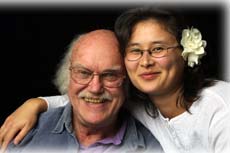
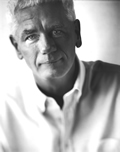
Professor Stan Goldberg is an HVA Member who currently serves as a bedside volunteer at Hospice by the Bay in San Francisco and at the George Mark Children?s House in San Leandro. He also served at the Zen Hospice Project?s Guest House until it closed for rennovation. He is a professor of Communicative Disorders at San Francisco State University, author of six books, more than fifty articles, chapters, essays and poems, and his original research on change has been quoted in newspapers, magazines, and on radio. He has led workshops on change and transitions both nationally and internationally. He is currently working on a memoir of his experiences as a hospice volunteer.
Blending Contemporary Skills with Ancient Wisdom
by Frank Ostaseski, Director, Metta Institute
Giving Spiritual Support
Dying is much more than a medical event. Dying is more a matter of relationships. It?s about our relationship to ourselves, to those we love?to God, to Spirit, to True Nature or to whatever other image of ultimate kindness we hold in our life. Companioning the dying is to a large extent a matter of addressing and supporting these relationships.
Given this it is important to say that in caring for the dying, spiritual support is every bit as important as good pain management and symptom control. Yet it's rarely offered in any meaningful way. As a result, too many people die in distress and fear. We can do something about that.
Spiritual support is not about existential discussions of esoteric practices. It's practical; it's involves facing this life directly. It means helping others to discover their own truth, even if it is one that we don't agree with.
Sometimes it's calling up a priest to give last rites, or placing a prayer shawl on a dying person's shoulders. Maybe it's making chicken soup with great love, or helping a patient to write a letter that aims at reconciliation. Most often it means not turning away when the going gets rough, staying present in the territory of Mystery and unanswerable questions.
Applying Ancient Wisdom to Hospice Care
Dying is at its heart a sacred act; it is itself a time, a space and process of surrender and transformation. The sacred is not separate or different from all things, but rather hidden in all things. Dying is an opportunity to uncover what is hidden. To see the sacred...is to gradually remove the obscurations, the perceptions that block our capacity to recognize the truth of what was always present. This relationship needs to be ?soul to soul.?
All too often the subtler dimensions of the dying experience go unrecognized and therefore unsupported. It is still common in our culture to think of the dying time as ??making the best of a bad situation.? It?s a view quietly held in some sectors of our healthcare system, even by members of the hospice community. With an emphasis on exploring quality improvement and measurement in end-of-life care, and the emergence of new palliative care models we may be neglecting the importance of the spiritual dimensions of dying.
The dying deserve the best of what medicine has to offer. Having said this we must also recognize its shortcomings. The medical model despite its genius is simply not large enough to embrace the enormity of what occurs at death. We need to incorporate other psychological and spiritual models that address the core issues of fear, meaning, and purpose, as well as allowing for the Mystery that defines our dying. The inter-disciplinary approach is of course part of that answer. But even this rarely addresses the transformative dimensions of the dying experience.
We need educational models and new services that draw on the spiritual roots of hospice care and provide contemporary application of that ancient wisdom. We must introduce practices that enable caregivers to support the possibilities for growth and transformation that are inherent in dying. Approaches that restore death to its honored and sacred place.
The Metta Institute
The Metta Institute was established as a catalyst for such individual and cultural change. Inspired by the Buddhist tradition we encourage the integration of the spiritual dimensions of dying through our unique End-of-Life Care Practitioner Program. We are establishing a national network of educators, advocates and guides for those facing life-threatening illness and the individuals and systems that serve them.
Our faculty members are leading voices in re-visioning dying in America. We are advocates for reclaiming the soul in caregiving and restoring a life-affirming and transformative relationship to dying.
We gathered together some of the most respected teachers in end-of-life care, transpersonal psychology and spiritual development (see list below). It is a sort of legacy project. We teach others what the dying taught us over the past 25 years. This extraordinary faculty models how we can learn to embrace paradox, and inspire others to do the same. Their experience demonstrates that it is possible for each of us to live and work in accordance with our highest values.
The End-of-Life Care Practitioner Program
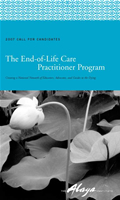
The End-of-Life Care Practitioner Program is designed to provide essential clinical competencies, innovative approaches to improve care of the dying, practices to strengthen individual capacity for compassionate service, and enhance spiritual development. Our aim is to develop inspired practitioners who can be contemporary?"midwives to the dying".
We focus on individualized learning. A maximum of 30 students will be accepted for the 2007 course. The six residential meetings comprise over 250 hours of instruction utilizing innovative learning modalities. Thematic sessions develop topics such as ?Compassionate Service?, ?Suffering and Transformation?, ?Mystery and Awe.? Individual faculty mentoring complements instruction, as do field visits, independent study, journaling, and supervised fieldwork with the dying in the participant's local community. Graduates from previous programs help participants with pragmatic application of the course in their local community. Monthly telephone support groups and a national network of practitioners enable participants to share resources, grapple with "real life" problems and negotiate the demands of the course and their workplace.
This is a highly experiential program offering a unique opportunity for those seeking personal and professional development. Charlie Garfield PhD, founder of the renowned Shanti Project describes our training beautifully. ?This training is not about tacking on new skills to the same old you. It is about you transforming.
Our graduates have given us confidence that as participants transform, the way they do their end of life work is also transformed. Our visionary End-of-Life Care Practitioners return to their communities as inspired, revitalized leaders with a national support network. They increase their local organization?s effectiveness by creating new services and innovative educational programs that include transpersonal approaches to dying.
Applying to the End-of-Life Care Practitioner Program
The End-of-Life Care Practitioner Program is aimed at those with an entrepreneurial spirit. Individuals who think ?outside the box?. Healthcare practitioners and hospice volunteers who are hungry for a new approach to service and end-of-life care.
Did you ever wish you could study with teachers who are wholeheartedly committed to your individual learning? Are you looking for a community of like-minded individuals who are dedicated to changing care of the dying? Do you want an educational program that takes you beyond the conventional medical model? If so the Metta Institute End-of-Life Care Practitioner Program may be for you.
May we all continue with sincere effort to bring compassion and mindfulness to those who need such companionship in their most vulnerable moments.
Applications for the 2007 program are being accepted now.
The application deadline is October 15, 2006. Some scholarship assistance is available. If you have questions please call us at 415-331-9600.
Frank Ostaseski is the Founder of the Metta Institute (formerly the Alaya Institute) and Founding Director of the Zen Hospice Project, the first Buddhist Hospice in America. His public programs throughout the United States and Europe have introduced thousands to the practices of mindful and compassionate care of the dying. His groundbreaking work has been widely featured in the media, including the Bill Moyers television series On Our Own Terms, the PBS series With Eyes Open, The Oprah Winfrey Show, and in numerous print publications. In 2001, Frank was honored by the Dalai Lama for his years of compassionate service to the dying and their families. In 2003, he was named one of America's 50 Most Innovative People by the AARP magazine.
TrinityCare Hospice, Los Angeles, CA
The above quote from President Lincoln occurred when Lincoln was reading reports to his advisors about activities from the battlefield during the Civil War. There was something contained in the report that he found funny, but no one else laughed - presumably because of the seriousness of the situation. President Lincoln believed that it is exactly because times were so serious, that it was important for people to laugh.
The same situation occurs with many patients and their family members, who simply cannot find the resources within them to laugh ? because of the seriousness of the situation they or their loved one is dealing with. Often we hear the patient or family tell us ?You?re welcome to come into my home, as long as you don?t remind me all the time that I?m dying?. Imagine what it would be like to be constantly surrounded in sobering, serious attitudes and what that does to the quality of life. Such an environment can steal the opportunities for joy that remain.
Our work in hospice certainly is very serious work. Caring for the sick and the dying, and ultimately losing the relationships we have forged under very sensitive and stressful conditions does take its toll on even the most seasoned of volunteers and staff. The key to longevity in hospice work is finding and embracing those moments of obscure humor that are like cool sips of water offered during the fight.
From biblical times, the book of Proverbs tells us ?A merry heart doeth good like a medicine?, and we have all heard the saying ?Laughter is the best medicine?. Recently, there has been a great deal of interest and research on the long-term effects of stress on a person?s health to back up those ancient claims. While diet and exercise are very important components in helping one cope with stress, laughter has proved to be just as helpful ? and a lot more enjoyable!
Laughter has the ability to boost the immune system and lowers blood pressure. The amount of oxygen and beneficial hormones increases in the bloodstream, while reducing the amount of cortisol (the so-called ?stress hormone?). Endorphins help naturally reduce pain and muscle tension, aid in a sense of well-being and strengthen the person to continue to endure.
Many of us have been blessed to know a patient or caregiver who can crack jokes and make light of their situation. One elderly woman was noted for saying ?Gosh, it could be a lot worse? at least my wrinkles don?t hurt!? For those of us who work with the bereaved family members, we have been witness to beautiful moments of great healing as they share silly traits or ridiculous memories of their loved one. Hospice staff members can end up in hysterics by recounting tales of less-than-graceful visits.
The laughter in these situations in no way takes away from the reverence for life, respect for the deceased, or sanctity of the work. It is the laughter that connects us to our inner resources to continue to go on with renewed energy and clarity.
Janet Yamaguchi is an HVA Member that has been a Coordinator of Volunteers and Bereavement Services for TrinityCare Hospice, part of Providence Health Systems, serving Los Angeles and Orange Counties in California. She is a Certified Professional Manager, President of her corporate Employees? Association, and an active member of the Hospice Volunteer Managers Association of Southern California.
NOTE: To read the full articles, click on the article title
A note from the editor: The collection of articles listed below are not intended to convey a preference for any particular philosophical or political position. It is our intention to research the national and world news-base on a quarterly basis to provide readers with a variety of articles on critical issues that relate to hospice and the care of the dying.
Prepare for the End of Life
[Abstract] If you don't have advanced health care directives, the time to think about them is now. Why? Because you need to research and understand that making these decisions is an ongoing conversation about values and priorities, and what "quality of life" means to you. Advanced directives help patients, families
[Abstract] Decisions regarding end-of-life care should be made while one is healthy and able to think through those choices, said Coralee Hatcher, palliative care nurse at Raleigh General Hospital in Beckley. Music Therapy May Help Ease Pain
[Abstract] Alternative medicine is increasingly accepted as part of palliative care and some studies show music is one method to ease pain and stress at the end of life. One of these methods includes live harp music, played at the bedside by a certified music practitioner. Best ways to soothe terminally ill studied
[Abstract] "Touch that's given from a conscious and caring place really makes a difference," said Sterling, a massage therapist for 24 years who joined the Comfort Care study two years ago. "(Massage) is kind of like a timeout in which they can really just be with themselves and just receive." Comfort in Music
[Abstract] ?(Music vigils) help to alleviate pain and anxiety and fear ? they provide a sense of calm and peacefulness for our residents,? said Evelyn Gerardo Challis, director of pastoral services at Mary?s Woods, a continuing care retirement center in Lake Oswego. ?And they do that for the families and for any staff that happen to be in and out of the room or walking by. There?s a peaceful settling that occurs.? The Healing Power of Touch
[Abstract] Healing Touch as a form of complementary medicine was developed by a nurse, Janet Mentgen, in 1989, as a way to assist the body?s natural healing process by redirecting and rebalancing its energy fields. During a session, practitioners gently place their hands on or above the person?s fully clothed body. Today an estimated 30,000 nurses use HT techniques in medical settings to reduce tension and anxiety, enhance wound healing, reduce postsurgical pain and use of pain medication, and trigger a sense of relaxation in patients. No right way: Let behavior of grieving person guide your show of support
[Abstract] Death happens every day, but oftentimes people don?t know how to address a coworker or friend who has suffered from the loss. ?There are times just being there in that non-anxious way is more meaningful than saying or doing something,? said Mr. West, who is the chaplain and director of pastoral services at AnMed Health. Hospice becomes big business
[Abstract] For-profit firms jump into market, giving patients more options and forcing nonprofits to fight back. Corporate America has discovered there's money to be made in hospice care, transforming a once-quiet but growing industry that has been dominated for decades by grass-roots nonprofit and volunteer hospice groups. Manor Care reports second-quarter earnings
[Abstract] Our hospice and home health operations continue to be our fastest growing segment. Driven by gains in our hospice business, revenues for this segment were up 18 percent in the second quarter from the 2005 second quarter, and now have an annualized revenue run rate of $460 million. During the quarter, we grew our hospice business from both an outpatient and inpatient perspective, and we expect this business to continue to be a driver of significant revenue and earnings growth. Odyssey HealthCare Reports Second Quarter Results
[Abstract] 2006--Odyssey HealthCare, Inc. (Nasdaq:ODSY), one of the largest providers of hospice care in the United States, today announced financial results for the second quarter ended June 30, 2006. On a reported basis and calculated in accordance with U.S. Generally Accepted Accounting Principles ("GAAP"), the Company's income from continuing operations was $6.8 million for the second quarter of 2006, a 10.7 percent decrease from the $7.6 million for the corresponding quarter of 2005. US hospice industry booms as more opt to manage their death
[Abstract] Long stigmatized and associated with a slow, miserable death, hospice care in the United States has grown into a 10-billion-dollar industry in the last decade as more Americans opt to manage the end of their lives. "People nowadays are much more interested in options available to them and more people are recognizing the value of hospice care," Jon Radulovic, spokesman for the National Hospice and Palliative Care Organization (NHPCO), told AFP. Care Beyond Cures
[Abstract] A family turned to Hospice of Petaluma to help their 14-year-old daughter die with comfort and dignity. St. Joseph Health System?Sonoma County?s hospice and palliative care services?the James B. and Billie Keagan Palliative Care Center, Memorial Hospice and Hospice of Petaluma?have helped thousands of people like Rosie close out their lives with comfort, compassion, and dignity. This hospice care reflects the values of the Sisters of St. Joseph of Orange not only because there is no charge to the patient but also because it is delivered with such concern for an individual?s needs?and respect for how he or she chooses to end life. Openess Helps Child When a Parent is Dying
[Abstract] The death of a parent is one of the most stressful events a child can face. But an honest word, a smile, and time spent together with a sick mom or dad can help kids get through, experts say. With proper education and preparation, things can be done to mitigate the damage, conclude the authors of a review of the data on the issue. Caring for Kids at the End of Life
[Abstract] NPR All Things Considered, August 9, 2006 -- Walk into the lobby of Children's Hospital of Philadelphia, and you'll notice it doesn't feel like a hospital -- or sound like one: Balls bounce and bang inside an audio kinetic sculpture, while mobiles of stars and planets float overhead. Upstairs, the conversation at the weekly meeting of the hospital's Pediatric Advanced Care Team, or PACT, brings you quickly down to earth. PACT is a less threatening version of other language: palliative care, or end-of-life care. In other words, the team members help take care of children who are dying. "What we're trying to do is make sure that all of our choices are really consistent with our deepest desires for what's best for the kid, given what they're up against, and then we do the best we possibly can." Sick Teen Allowed To Forgo Chemo
[Abstract] A 16-year-old cancer patient's legal fight ended in victory Wednesday when his family's attorneys and social services officials reached an agreement that would allow him to forgo chemotherapy. Under the decree, Starchild Abraham Cherrix, who is battling Hodgkin's disease, will be treated by an oncologist of his choice who is board-certified in radiation therapy and interested in alternative treatments. State of California passes legislation to provide hospice for children
[Abstract] California is poised to become one of the first states in the country to offer end-of-life hospice care to kids, a development that health care advocates say will address a moral gap in children's medicine. "Children who are very sick and dying don't have access to hospice services like adults do," said Lori Butterworth, a Soquel resident and co-founder of the Watsonville-based Children's Hospice and Palliative Care Coalition. "It is inhumane to ask a parent to give up on any opportunity to save their life or prolong their life." Typically, private insurers and the state will pay for in-home and other hospice care only if a patient forgoes curative treatments and has six months or less to live. Federal law prohibits public funding of hospice care for children, but later this summer Gov. Arnold Schwarzenegger is expected to sign into law a bill that would authorize the state to apply for a federal waiver and pay for hospice care. Communication is important in end-of-life care AS I SEE IT
[Abstract] The advances in cancer care of the past decade have been remarkable. However, a recent study presented at an American Society of Clinical Oncology meeting showed a surprising fact: a rising number of cancer patients receive chemotherapy, have intensive care admissions and visit emergency rooms in the last few weeks of life. The study reveals an ongoing problem in medicine with all kinds of diagnoses: that of formulating and communicating information about life expectancy when we know that the progression of the disease will ultimately end life. Interdisciplinary Palliative Care Professional Delegation to Visit China and Tibet in 2006
At the invitation of Beijing Songtang Hospice, a national delegation of hospice professionals will travel to The People?s Republic of China and Tibet during the first two weeks of October 2006. The goal of the delegation is to understand how traditional and western approaches to medical care are practiced in China and Tibet, and to see how these countries have developed their palliative and end-of-life care services. The delegation will explore models for hospice care, management of pain and common symptoms, and integration of palliative care principles and spiritual practices. The HEAL Project's Founding Director, Greg Schneider will be part of this delegation. Watch for a report on this delegation's findings in a future issue of HV News. Hospice: An Interfaith Perspective on its Past, Present, and Future
[Abstract] As with all new paradigms of thought, the modernized version of the ancient hospice concept caught on fast. The concept and practice of hospice care as a new, holistic discipline is a permanent part of modern life, because it is an important response to changing cultural conditions. The turn-around in emphasis from curative medicine to the palliation of both physical and spiritual pain came to fruition during the cultural turmoil of the 1960s. Hospice pioneers, perhaps unknowingly, revived the original concept of hospice that has existed in all cultures since the beginning of human communities but had died out under the onslaught of radical secularism. With Time Running Out, Some Gain a Reprieve
[Abstract] During the five months he spent at a Washington hospice after voluntarily ending kidney dialysis, humorist Art Buchwald said he was asked one question a lot. "What is it like to die?" His answer: "I don't know, because I haven't died. I thought I was going to, but then something changed." "The truth is, patients often come to us looking like a train wreck, with all sorts of problems," said psychologist Stephen Connor, vice president of research and professional development at the National Hospice and Palliative Care Organization in Alexandria, Va. "We work with them, we get them better managed -- making sure they take their meds, talking to them, bathing them. And then they start to slowly get better, sometimes to a point where they get so much better, we end up discharging them. We'll even throw 'discharge parties' for them," he said. Contemplating death puts life in perspective
[Abstract] Dying is sometimes a philosophical issue; at times, it's a political issue; and it's always a health and a quality of life issue. We're all going to die. I only wish it could be simple and painless for everyone. Maybe that the most important thing is how we live and not how we die. I think it means, too, that we should observe the Scout motto, "Be prepared." Coping with the end of Mom's life from a distance
[Abstract] Bill Berlow feels useless, living on the other side of the country and able only to call and e-mail his mother and sister, who lives near his Mom and has been coordinating her care when she doesn't provide it herself. His helplessness is a reminder of what he has believed for a while: that for all of our social and economic progress and mobility of the past century or so, we pay a high emotional price. Dying patients want doctors they can trust
[Abstract] Canadian researchers at five hospitals asked 440 older patients dying of chronic, progressive diseases and their families to rate the importance of 28 issues related to end-of-life care. The patients chosen -- averaging 71 years of age -- had end-stage heart, lung or liver disease, which meant 50 per cent were not expected to live beyond six months. Researchers found "trust and confidence in the doctors looking after you," was rated as the most important issue by both patients and their families. Caregivers Learning to Manage Illness also Helped in Coping with Death
[Abstract] An intervention aimed at preventing depression and easing the burden of caring for a relative with dementia also helps to prevent complicated grief and depression following the death of the loved one, according to a University of Pittsburgh-led study. As I See It: Taking Care
[Abstract] If the role of caregiver falls to you, there is really no way to prepare for it. The following advice is offered: find and accept help; keep your management informed throughout the process; if there is anything you want to say to your dying parent, do it in the living years; and accept the fact that although you can do much to impact the quality of their remaining time, nothing you do will change the final outcome. Protection for doctors in laws for the dying
[Abstract] Doctors, health professionals and family members will be given blanket legal protection under far-reaching death-with-dignity laws to be introduced in Western Australia. Care for dying: Too high a price? [Abstract] A study suggests Philadelphia area hospitals may be giving more costly care without aiding survival. Philadelphia's two leading academic medical centers, the Hospital of the University of Pennsylvania and Thomas Jefferson University Hospital, have dramatically different styles of caring for chronically ill, dying patients, a recent study shows. Jefferson patients got far more care. They averaged more time in the hospital, saw many more doctors, and spent nearly three times as much time in intensive care or similar settings in their last two years of life, according to the Dartmouth Atlas of Health Care 2006. When Treatment Fails, Should Medical Caring Stop?
[Abstract] Ashley, died of metastatic breast cancer at just 36 years of age. For months, a dedicated team of oncologists, surgeons and nurses had worked night and day to beat the runaway cells that were slowly robbing Ashley of life. Then, one October day, the team effectively admitted defeat and turned the young woman over to hospice and end-of-life care. Ashley died a few weeks later, her devoted husband, parents and best friend -- the group her Texas father had dubbed "Ashley's posse" -- at her side till the end. And yet, in an essay published in the June 21 issue of the Journal of the American Medical Association, Donley-Hayes wonders why Ashley's medical team couldn't have done just a little more in the few weeks she had left. Hospice pioneer to put passion to work in Africa
[Abstract] Philip DiSorbo helped launch the hospice movement in the United States a quarter-century ago. Soon, he will leave for Africa, where he said the continent is prepared for a hospice boom of its own. DiSorbo, 58, ended his 27-year tenure as director of the region's Community Hospice last week to become the first director of the Foundation for Hospices in Sub-Saharan Africa. The group is based in Alexandria, Va., but DiSorbo expects to spend about three months a year helping people in nations like Zimbabwe and Rwanda build hospices as he did in Schenectady. "There are 7,000 people dying a day over there, many from AIDS, and many are dying unacceptably," he said. Caring for the terminally ill
[Abstract] Africa - Palliative care has been lacking in public health institutions, but Kenyatta National Hospital, reports Maore Ithula, is in the process of setting up a department for provision of the essential services required by terminally ill patients and their relatives. Mom fighting ruling to end infant's life support
[Abstract] Baby Daniel is nearly brain-dead. He cannot breathe without a ventilator. He cannot eat without a feeding tube. And if his mother doesn't find another hospital, the doctors at Children's Medical Center Dallas will disconnect him from the machines and he will die. The hospital's ethics board has ruled that it would be futile and inappropriate to keep Daniel alive - despite his mother's wishes to try. Judge seeks options for disabled mother, dying son
[Abstract] Luke, who is 18 months old, has eyes that dance and sparkle and a smile that lights up a room. Luke is dying of a rare genetic disease, and doctors believe he has already lived half his lifespan. His 28-year-old cognitively disabled mother, Anastasia Schoenfield, known as Annie, is fighting for the right to remain his mother until he dies. Her son, she says, is the most important person in her life. The Milwaukee County district attorney's office filed a petition to terminate Schoenfield's parental rights as quickly as possible because of her limited mental abilities and because complicated medical decisions will have to be made on Luke's behalf as his life draws to a close. 'Legalise euthanasia' says expert
[Abstract] Britain - Len Doyal, ex-member of the British Medical Association's ethics committee, said doctor-assisted deaths did take place and should be better regulated. He said the law should be changed to enable doctors to withdraw treatment even if patients cannot consent. But other experts said patients should make a living will if they do not want to be resuscitated. Your views on dying with dignity?
[Abstract] Australia - The overwhelming majority of Australians believe the terminally ill should have a right to choose to die with medical assistance. Independent polls since 1978 have consistently shown this. In the most recent poll (Morgan 2002), 73 per cent of Australians and 76 per cent of Victorians want this law reform and, in repeated surveys, the majority of people from all major religions in Victoria want it. Legislation therefore lags behind the will of the people. Family Is Split Over Man's Fate
[Abstract] Karl Bernstein, 76, doesn't respond. Diagnosed with advanced Alzheimer's and Parkinson's diseases, he hasn't spoken to his wife, or anyone else, for at least four years. Karl Bernstein's wife wants the Alzheimer's and Parkinson's patient to be allowed to die, but her stepson wants him to be kept alive. Cancer specialist predicts changes in care philosophy
[Abstract] Cancers are set to become manageable long-term conditions "lived with" in a way similar to diabetes, according to a leading authority. Improvements in cancer care would have a huge impact on health budgets because scores of very expensive life-prolonging drugs were due for launch, a recent conference of medical insurers was told. AP/Detroit News Examines Cost of End-Of-Life Care
[Abstract] The AP/Detroit News on Sunday examined how patients with terminal diseases increasingly must decide whether "the chance for several more months of life" is "precious enough to spend a small fortune." More than one-third of U.S. residents say they would opt for "everything possible" to be done to save their lives if they had a terminal disease, compared with about one-fifth in 1990, according to a Pew Research Center for the People and the Press poll. Hospice care reduces end-of-life hospitalizations
[Abstract] Nursing home residents in hospices are less likely to be admitted to hospital for terminal care. Hospice care generally focuses more upon the patient's comfort rather than aggressive treatment. Now a new report from Brown Medical School reveals that hospice care reduces admissions to hospital for terminal care. The study looked at nursing home residents receiving hospice care. A new bio-therapy for the dying
[Abstract] The service involves training volunteers to visit the dying and make audio recordings of their memories, which are then transcribed and edited into a written biography, complete with photographs where possible. Hospice rotation could become part of routine for med students
[Abstract] First-year medical students were urged to embrace hospice as the crowning stage of complete health care for terminally ill patients during a lecture at the UA College of Medicine on Friday. Bruce Metzger, volunteer coordinator for Odyssey Healthcare, said he has been working with the university for the last four years to begin a curriculum that would heal the doctor-patient disconnect during the final stages of life. I asked for help to care for dying brother
[Abstract] "Many may know of a family member, close friend or neighbor whose final days were made more peaceful and less painful through the compassionate services offered by a hospice provider. Yet according to a recent federal report, this government benefit for the terminally ill may be underused by thousands of dying patients every year." U.S. Sen. Chuck Grassley, Special Committee on Aging. Good hospice care can make a huge difference to a patient's life.
[Abstract] Patients who receive a referral for hospice care are sometimes deterred by the misconception that hospice care is merely ?better than nothing?. Well-run hospice care, however, can be invaluable for patients at this stage. Hospice is a program not a place
[Abstract] Hospice care is a misunderstood concept people often confuse it with hospital, when in fact it is a program, not a place. When the doctor can do no more
[Abstract] Most people who end up at the bedside of a dying patient aren't there by choice. Nurse practitioner Peg Nelson is someone who is, dedicated to making sick and dying people more comfortable. Just as some medical professionals specialize in cancer, some in feet, others in kids, Nelson specializes in pain. Deciding on hospice
[Abstract] Many American cancer patients in the final stage of life end up receiving hospice care, but not all of them benefit. The decision for hospice is one that no family wants to make, but experts say deciding just when a loved one needs hospice care is a decision that families must face. Hospitals tune in to patient comfort
[Abstract] Hospitals are becoming more accommodating -- not only to ill or dying patients, but also to their loved ones. Summa Health System's Akron City Hospital is the latest area hospital to open a unit devoted to improving the quality of life for patients with a life-threatening illness. Care group aims to build hospice
[Abstract] Hospice care is available in every community in Massachusetts, but it is usually delivered in the homes of patients, in nursing homes, and assisted-living facilities. Stand-alone residential facilities are relatively rare. National Institute for Jewish Hospice Certifies VITAS
[Abstract] Discovering hope is part of the Jewish approach to end of life -- a key learning from VITAS Innovative Hospice Care's recent training and certification with the National Institute for Jewish Hospice (NIJH). NIJH certified VITAS Innovative Hospice Care(R) of Milwaukee as a Jewish hospice, thus enabling the program to fully address the needs of all Jewish patients on religious and ethnic observance. At the end of life, lessons for living, and dying
[Abstract] On Wednesday morning, McCart sat down in front of a videocamera and became the first Hernando-Pasco Hospice patient to participate in the Legacy Program. The program was created to help hospice patients say a meaningful goodbye to loved ones, and to talk about the moments that shaped their lives. Hospice fosters dignity in dying
[Abstract] More people like Wirth are opting to spend their last days in hospice or palliative care programs ? a combination of medical and home-based care ? and as the population ages, the numbers likely will continue to grow. Still, some say the medical field may not be as prepared as it should be to handle this shift in philosophy over end-of-life care that focuses on dying. A dog's last days
[Abstract] Chemotherapy might prolong Moose's life. Euthanasia might spare him months of pain. She gathered Moose in her arms and drove home. Moose was her first pet. She'd always tried to do what was best for him. She could accept - almost - that their time together was nearing its end. But she couldn't bear to decide how he would die. What Happens When You Die?
[Abstract] From the smallest to the greatest, from the richest to the poorest, everyone eventually dies. But what happens after death? Can you know for sure?. Hospice 'hit by training cuts'
[Abstract] Britain - If the local NHS does not invest in training for its staff, that will have a knock on effect far beyond this year or next year. It will affect the quality of care for patients. Older Adults Engaged as Volunteers
[Abstract] Boomers? volunteerism could benefit society, boomers themselves, and potentially, government. But a better understanding of who is volunteering today should precede efforts to support volunteerism among aging boomers. Hospice volunteers enjoy helping others
[Abstract] For the past nine years mother and daughter, Josephine Tillman and Agnes Oliver have been bringing a little welcomed joy into the lives of area hospice patients. Finding peace in death
[Abstract] For most people, this type of job would bring them down, both physically and emotionally, but Bacon has embraced the opportunity this work gives her of experiencing the end-of-life process with her patients. Volunteers key to hospice, many other services
[Abstract] The history of volunteerism runs deep and wide in America. This great land of ours was built on the backs of volunteers. Value of Volunteers Tops $160 Billion Per Year
[Abstract] Older Americans contributed an estimated $161.7 billion to society through volunteering and family caregiving in 2002, helping people in need?and often gaining personal fulfillment.
HVA has a New President
August 2, 2006 - After many weeks of consideration Alex Silva, Volunteer Services Manager for VITAS Innovative Hospice Care®, board member of the Hospice Volunteer Managers Association of Southern California and HVA Member, has accepted the HEAL Project's invitation to lead the Hospice Volunteer Association as its President. Alex said "I think it is a great opportunity to assist in the education of hospice volunteers." Greg Schneider, HEAL Project Founder and Executive Director, said "We were very pleased that Alex accepted our invitation to lead HVA. Alex has proven himself as an innovator, a community leader and exceptional manager of hospice volunteers. We believe Alex's dedication to hospice and volunteerism will be great assets to HVA." We encourage other HVA members who are interested in actively participating in the management and development of HVA to contact Alex directly by e-mail. To learn more about Alex, read his Volunteer Coordinator's Perspective article, The Possibilities are Endless! in the Spring 2006 issue of HV News. Watch for the quarterly President's Message, which will begin with our next issue of HV News. NOTE: For more details on these events, click on the event title
2007 Call for Candidates
End-of-Life Care Practitioner Program Deadline for Applications: October 15, 2006 The Metta Institute, Sausalito, CA The End-of-Life Care Practitioner Program is a direct response to an increasing public demand. Americans want more flexible options, alternative and improved services near the end of life. New approaches are needed that respect choice, honor personal integrity, and reclaim the spiritual dimensions of dying. The End-of-Life Care Practitioner is a well-informed practitioner that can educate about the existing options without being restricted by a single model. As an advocate they assist clients in determining how to best use services, support, and relationships to meet their individual wishes near the end of life. As a skillful guide they can accompany, counsel, and explore the transformational process of dying. To download an application click here. September 22-25, 2006
Honoring Life's Final Passage With Love and Compassion Sebastopol, CA; November 2-5. 2006 Santa Rosa, CA Imagine the opportunity to transform our own views of death, diminish our fears and re-frame our relationship to living and dying. Through heart sharing, rituals, writing, quiet space, music and visuals you will discover little known options for after death care, ones that will benefit all individuals and professionals and help create a graceful and personalized final passage. September 24, 2006
Spirit Alive - The Fall Concert for Peace with Gary Malkin Marin, CA 7:00pm In acknowledgment of the International Day of Peace, and in response to the worsening conflict in the Middle East, SpiritAlive! is offering this community musical gathering as a Call for Peace. This evening will honor a pioneering Bay Area institution, Pathways to Peace, an international peace building organization which initiated the International Day of Peace, ultimately embraced by the United Nations and now celebrated throughout the world. Its founder, Avon Mattison, has been living in Marin Country for many years, and has been a pioneer for peaceful initiatives for over thirty years. September 27, 2006
Helping Grieving Children & Teens Conference Newton, Iowa 7:30am-4:00pm The 2006 Hospice of Jasper County Fall Conference will feature an excellent keynote speaker, Robert Zucker, LSCW, MA, who will present a day-long program titled ?Helping Grieving Children and Teens?. September 28, 2006
Compassionate Contemplative Care: An introduction to the Zen Hospice Approach San Francisco, CA Thursday, 7-9pm, sponsored by The Zen Hospice Project As the first and largest Buddhist hospice in America, Zen Hospice Project is internationally recognized as having changed the way in which we care for the dying. To foster more transformative approaches to end-of-life care, we are happy to share our unique model with a broader audience through this introductory lecture. Please join us to learn how the ?Zen? part of our name reflects our approach of bringing mindfulness and compassion to the bedside of the dying. Members of the general public, potential volunteers and donors, as well as healthcare professionals, are welcome to attend. October 6-8, 2006
Music and Psyche at the Edges of Life Corte Madera, California sponsored by The Bonny Institute This conference, presented by a distinguished faculty of health care professionals who are researchers, scholars and therapists, will explore the value and use of music and imagery at the thresholds of consciousness--for parents and their babies before and after birth, for people living in the shadowy worlds of autism, AIDS, dementia or Alzheimer's Disease, and for those at the end of life. October 13-14, 2006
Pediatric Palliative Care Conference Emeryville, CA Concepts for caring - linking hands, reaching out. Featuring keynote speakers Ann Goldman, MD and Betty Davies, RN. Sponsored by the George Mark Children's House and Children's Hospital and Research Center Oakland. October 26-28, 2006
17th Hospice New Zealand Palliative Care and NZ Pain Society Conference Dunedin, New Zealand The theme to this conference is MAKING A DIFFERENCE. The aim of both, namely NZ Pain Society and Hospice Palliative Care, is to maximize the quality of a patient?s remaining life by relieving suffering through the control of pain and other symptoms. November 5, 2006
One Night, One Heart Fundraiser San Francisco, CA One Night, One Heart event is a magical evening of elegant, creative, and intimate dinner parties held simultaneously throughout the San Francisco Bay Area. These signature dinners are held in the homes of our generous donors and local celebrities, where small groups gather for an evening of fine dining and uniquely designed themes. Each Dinner has a celebrated writer, artist or luminary as a Special Guest. Click here to see the great list of celebrities. SPECIAL OFFER FOR HOSPICES: Group rates are available for your volunteers. Welcome your new volunteers to your organization by offering them a complimentary HVA membership upon completion of their training!!
Individual Rate: $40 Group Rate:
$30 (25% discount)
[About HVA]
The Hospice Volunteer Association (HVA) was founded in January 2005 by the HEAL Project as an adjunct to its Hospice Volunteer Training Institute (HVTI). An estimated 500,000 people volunteer in the nation's 3,200 hospice organizations annually, providing more than ten million hours of service each year. The HEAL Project is sponsoring HVA for the purpose of creating a nation-wide hospice volunteer community where volunteers can support and serve each other primarily through continuing education opportunities.
[HVA's Mission]
Our mission is:
[Membership Benefits]
Membership in HVA will entitle volunteers and hospice organizations to the following benefits:
|
||||||||||||||||||||||||||||||||||||||||||||||||||||||||||||||||||||||||||||||||||||||||||||||||||||||||||||||||||||||||||||||||||||||||||||||||||||||||||||||||||||||||||||||||||||||||||||||||||||||||||||||||||||||||||||||||||||||||||||||||||||||||||||||||||||||||||||||||||||||
|
© copyright 2006 HEAL Project. All rights reserved |